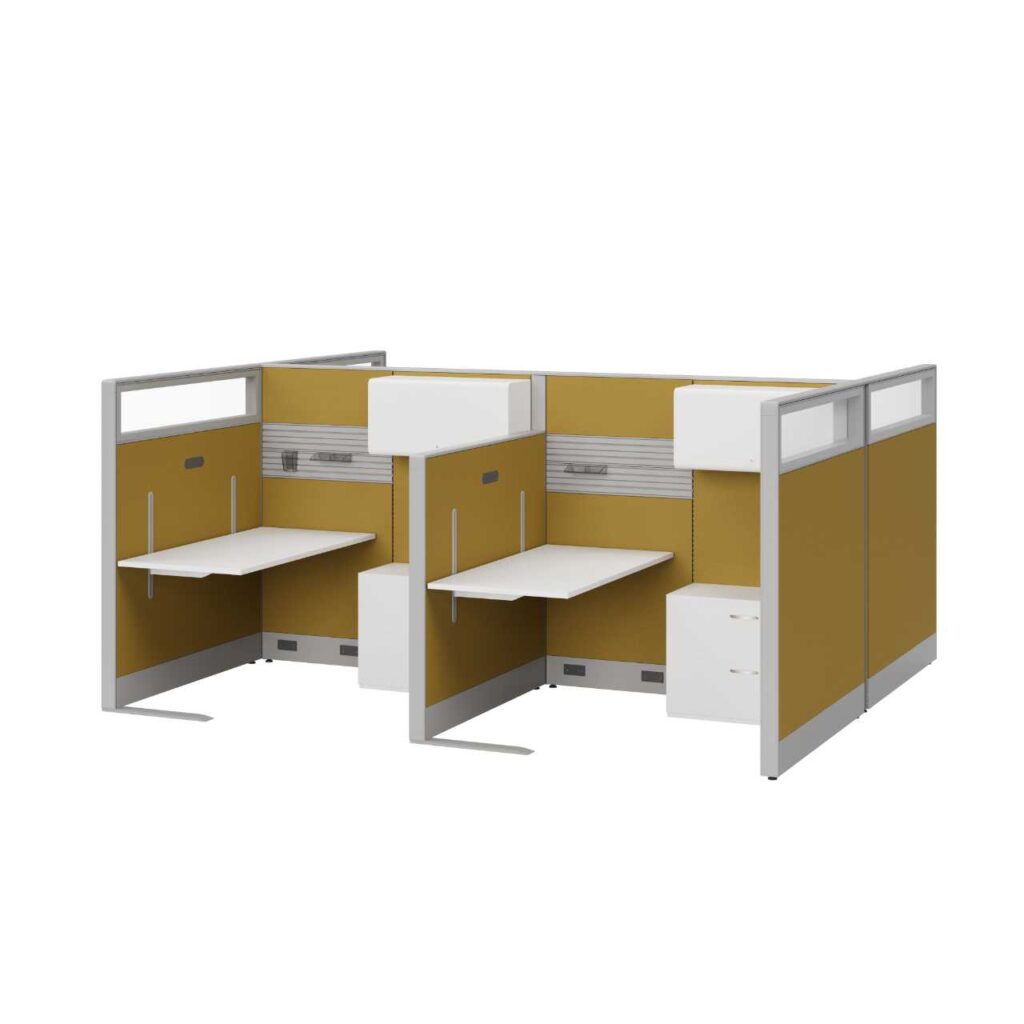
When choosing furniture, many buyers focus first on appearance and price. However, the true value of a furniture product depends on much more than that. Material, craftsmanship, structural stability, and suitability for the intended space all play an important role. Whether you are furnishing a home, sourcing for a hotel project, or purchasing for a commercial space, understanding the key points before buying can help you make a smarter decision.
1. Material Determines Quality and Durability
The material of a piece of furniture is one of the most important factors affecting its overall quality. Common materials include solid wood, engineered wood, metal, glass, fabric, and leather. Solid wood furniture is known for its natural texture, premium look, and durability. Engineered wood is often a practical and cost-effective choice for modern interiors. Metal and glass are ideal for contemporary and commercial settings. For upholstered furniture such as sofas and chairs, the quality of the fabric or leather also matters, especially in terms of wear resistance, comfort, and ease of cleaning. Buyers should always look beyond the surface and consider whether the material fits the intended use.
2. Craftsmanship Reflects the Real Standard of the Product
Good furniture can often be recognized through its details. Smooth edges, precise joints, strong hardware, and an even surface finish are all signs of careful manufacturing. High-quality craftsmanship not only improves appearance, but also ensures better performance and a longer service life. A well-made product feels more solid, looks more refined, and performs better over time. For buyers who value both function and design, craftsmanship should never be overlooked.
3. Proper Size and Space Matching Are Essential
One of the most common mistakes in furniture selection is ignoring the relationship between the product and the space. Furniture that is too large can make a room feel crowded, while furniture that is too small can make the layout look unbalanced. Before purchasing, it is important to measure the available area, consider walking space, and think about how the furniture will be used in daily life. For commercial or project buyers, planning should also take into account traffic flow, user comfort, and the overall layout of the interior.
4. Consistent Style Improves the Overall Space
Furniture is not only functional, but also a key part of the visual identity of a space. Modern, Nordic, luxury, industrial, and classic styles all have their own distinct materials, colors, and forms. If furniture pieces do not match each other in style, the whole space may feel disconnected. This is especially important for hotels, offices, showrooms, restaurants, and retail spaces, where furniture contributes to the atmosphere and helps shape the customer’s impression of the brand or environment.
5. A Reliable Supplier Makes a Big Difference
For long-term buyers, product quality is only part of the equation. The supplier’s service capability is just as important. A professional furniture supplier should be able to offer stable quality, support for customization, efficient production, secure packaging, on-time delivery, and responsive after-sales service. This is particularly important for export businesses and project procurement, where delays or quality issues can affect the entire schedule. Choosing the right supplier can greatly improve the purchasing experience and reduce long-term risks.
Conclusion
Choosing furniture is not simply about selecting something that looks good. It is a process that involves evaluating materials, craftsmanship, dimensions, design consistency, and supplier capability. By paying attention to these key factors, buyers can find furniture that is not only visually appealing, but also practical, durable, and suitable for their specific needs. For anyone looking for long-term value, a thoughtful purchasing decision will always lead to better results.